Helena Murphy, Business Lead: The shift in the UK market
5 mins read
Something fundamental is shifting in UK advertising. After decades of chasing clicks and interrupting audiences, brands are finally asking a different question: What if advertising could add value instead of disrupting it?
We talked withHelena Murphy, our new Business Lead for the UK, to explore why this moment matters and where the industry goes next. With a background at Hearst, building partnerships that balance creativity with commercial value, she brings both publisher insight and performance expertise to the team.
The appetite for smarter advertising
“What excites me most about the UK right now is the appetite for smarter, more authentic advertising (…)” Helena states. “Brands are moving away from disruption and banner blindness, and towards storytelling that fits seamlessly within quality editorial environments.”
It’s a shift that reflects a simple truth: People don’t hate advertising, but they hate bad advertising. They hate being interrupted or shouted at, but showing them something genuinely interesting, in the right context, at the right moment? That’s a different story.
“The UK is one of the most sophisticated ad markets globally, and there is a real opportunity for integrated premium native to deliver both creativity and measurable outcomes.”
Her perspective comes from years on the publisher side, witnessing firsthand what makes content resonate with audiences. That experience shaped her understanding of how advertising can work with editorial environments rather than against them.
Building on strong momentum
“Readpeak has built solid momentum in the UK, with strong adoption from agencies and advertisers looking for scalable, brand-safe native solutions (…)” she explains.
But momentum is just the beginning.
“The next phase is about deepening those relationships, expanding our publisher network, and showing just how powerful native can be for both performance and brand awareness building.”
Both performance and brand-building focus are critical. For too long, marketers have been forced to choose between direct response tactics and long-term brand investment. Premium native advertising, when executed well, delivers both.
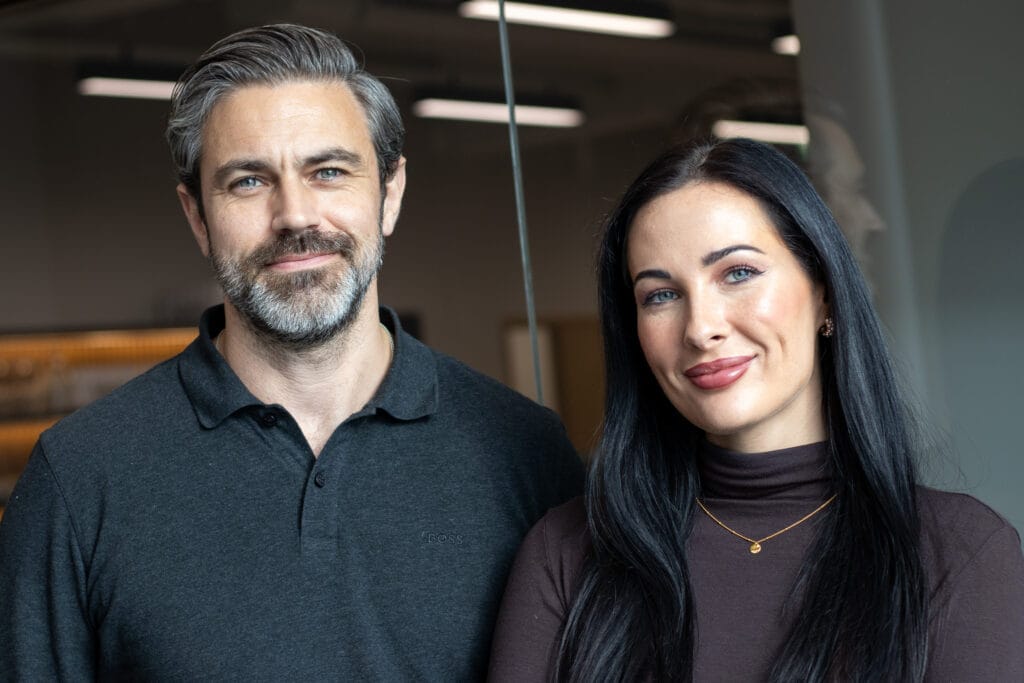
Blake Seabrook, Country Manager UK, and Helena Murphy, Business Lead UK
The education challenge
When asked about the biggest challenges facing native advertising in the UK, she doesn’t hesitate: Education.
“The biggest challenge is education, helping brands see native as a versatile, measurable performance channel, not just content marketing (…)” she points out. “But that is also the opportunity.”
The misconception is understandable. Native advertising grew out of content marketing and sponsored content, and many marketers still view it through that lens. But modern premium native has evolved into something far more sophisticated; a performance-driven channel that combines the credibility of editorial environments with the measurability and scale advertisers demand.
“As cookies fade and attention becomes the key metric, premium native has the right balance of context, creativity, and scalability (…)”
“Our formats are seamlessly publisher-integrated and premium, bought on a CPC/CPCV basis, which eliminates wastage, guarantees engagement, and sets us apart from competitors.”
What premium actually means
Not all native advertising deserves the premium label. The market is cluttered with low-quality content recommendation widgets and clickbait disguised as native formats. Understanding the difference matters.
“What drew me to Readpeak was its blend of technology and creativity, which is a representation of my career so far. It is a platform that truly respects both the publisher and the advertiser. Coming from the publisher side, I love the transparency, the simplicity, and the Nordic approach to building long-term trust.” Helena says.
Where much of the industry prioritizes short-term extraction of value, we emphasise sustainable relationships. Publishers maintain control. Advertisers get genuine engagement. Readers encounter content that actually interests them. Simple as that.
From experiment to essential
The shift from experimental to essential Helena describes isn’t theoretical. It’s already happening.
“Advertisers are increasingly recognising premium native as a must-have”, she says. “They see the engagement rates, the quality of traffic, and the brand safety benefits. The shift from interruptive to integrated is well underway, and more brands are embedding native into their core media strategies.”
This represents a fundamental change in how sophisticated marketers think about their media mix. Native is no longer the tactical add-on or the experimental budget line. It’s becoming core infrastructure for brands that want to build meaningful audience relationships.
Looking ahead
Helena’s focus for the coming year is straightforward.
“My focus over the next year is to strengthen Readpeak’s footprint across the UK agency and client landscape, build proof through data and storytelling, and demonstrate that native can drive both awareness and conversion for brands of all sizes.”
As the UK market continues its evolution away from interruptive tactics, brands that embrace premium native now will be the ones building meaningful audience relationships in the years ahead.
The future of advertising isn’t about shouting louder, or tracking more intrusively. To us, it’s rather about creating something people actually want to see, in places they already trust, at moments when they’re genuinely receptive. That’s not only better advertising. It’s better business.
And with the combination of market momentum, technological capability, and strategic leadership now in place, Readpeak is positioned to help UK brands make that transition successfully.
Background Helena Murphy will oversee client development in the UK. She previously served as Client Partner at Hearst UK, where she led major commercial and content collaborations. Earlier roles include Creative Strategy Director at Hearst and Agency Group Head at Hello! Magazine. With a strong track record across beauty, lifestyle, and media, Helena brings deep knowledge of the UK market and extensive experience fostering brand relationships.